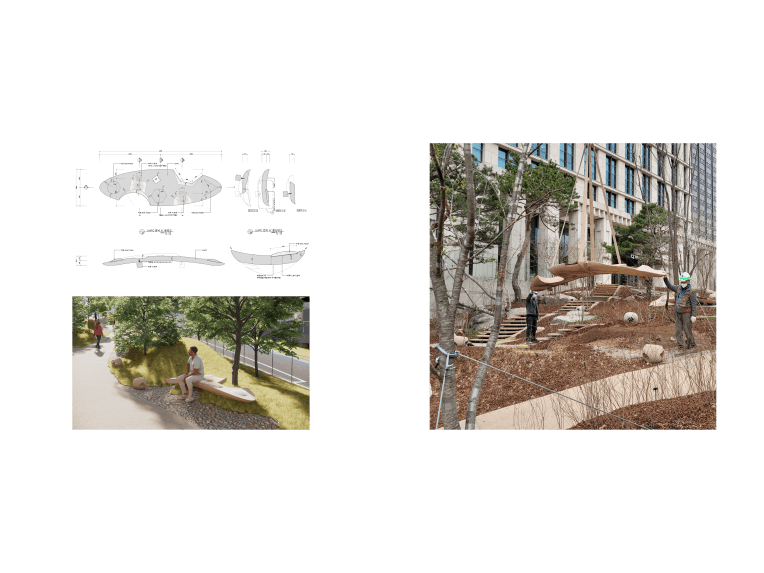
Close your eyes.
Give yourself to walk for an hour.
You will find your hand is warmer than objects you’ve touched for the hour.
and thinking through tactility.


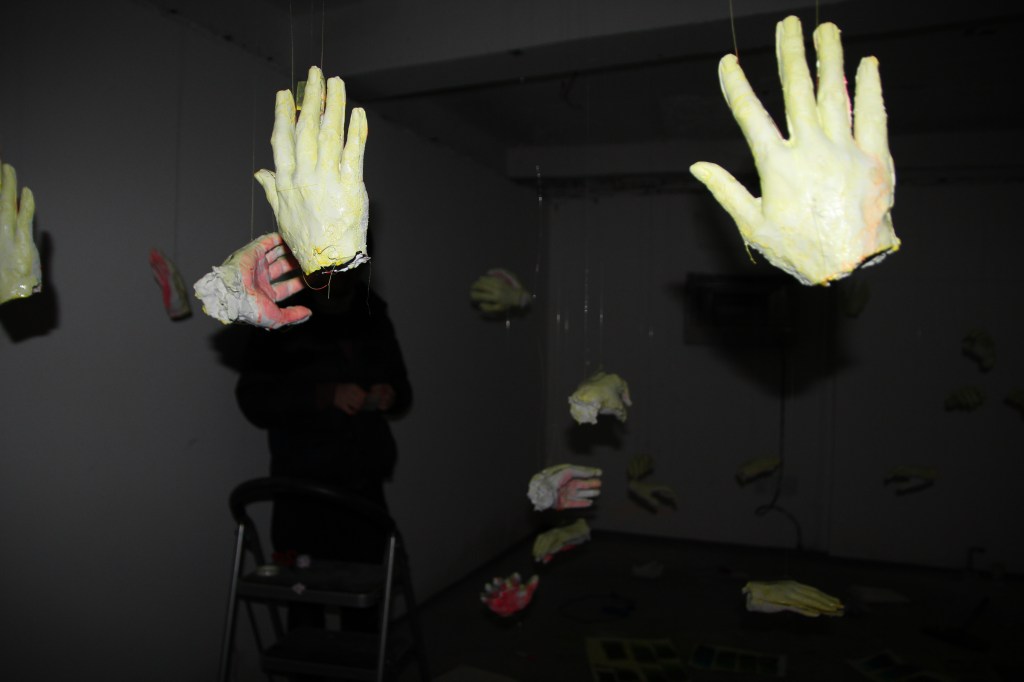
Close your eyes.
Give yourself to walk for an hour.
You will find your hand is warmer than objects you’ve touched for the hour.
and thinking through tactility.
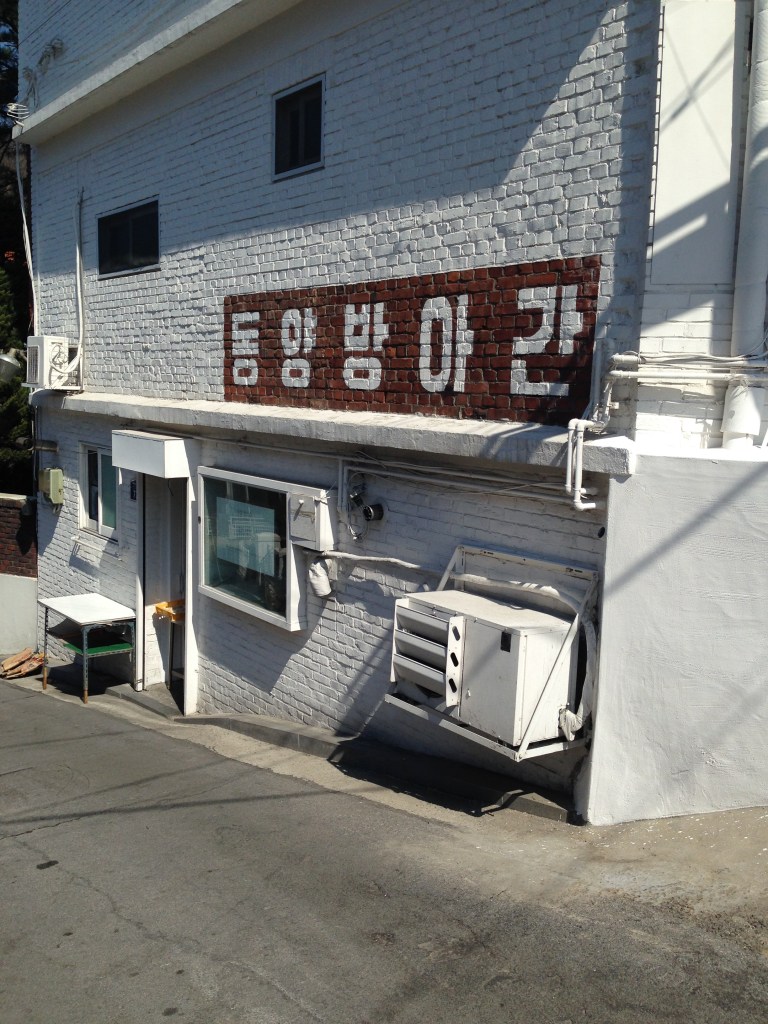
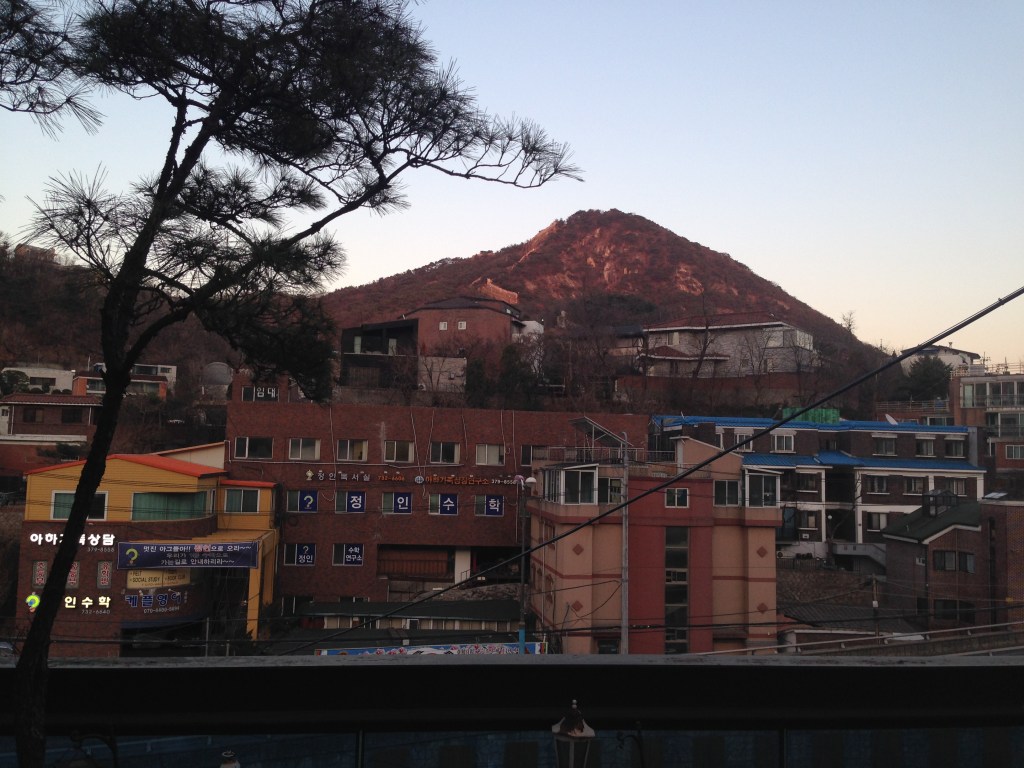
In Korea, I’ve lived my entire life in one neighborhood.
Never lived away from the area
But strangely there are moments I feel nostalgia on my everyday path.
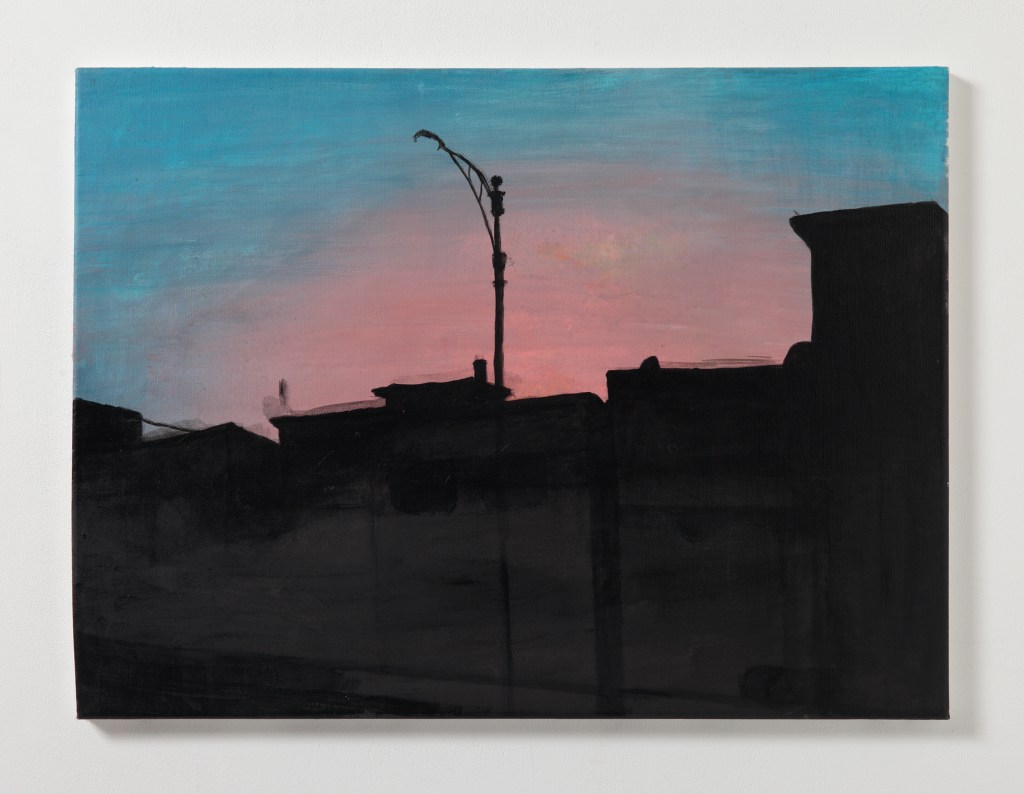
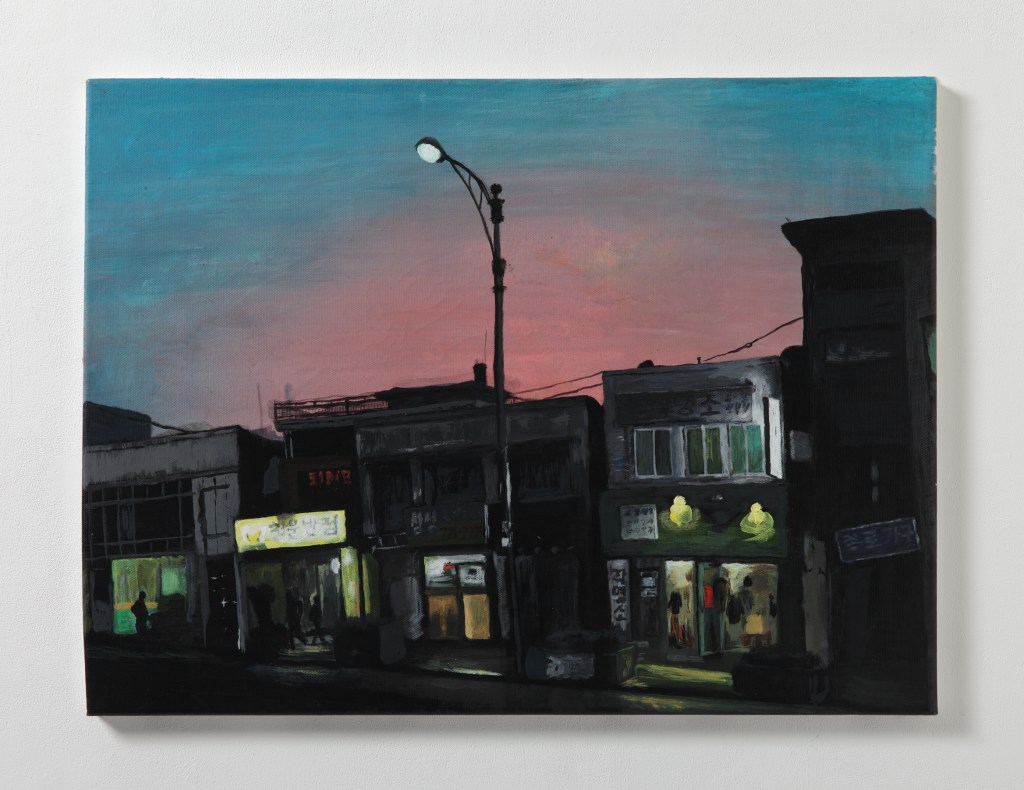




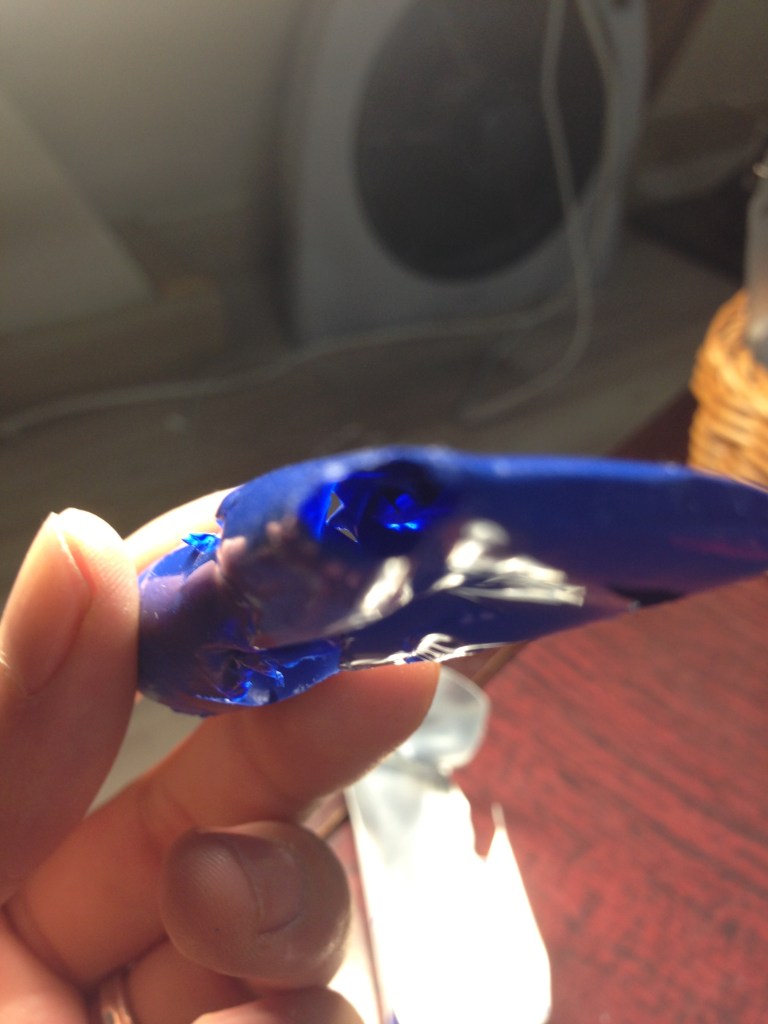

Cobalt blue, ultramarine blue, sky-blue or any blue.
Yves Klein showed me something and I painted my blue.
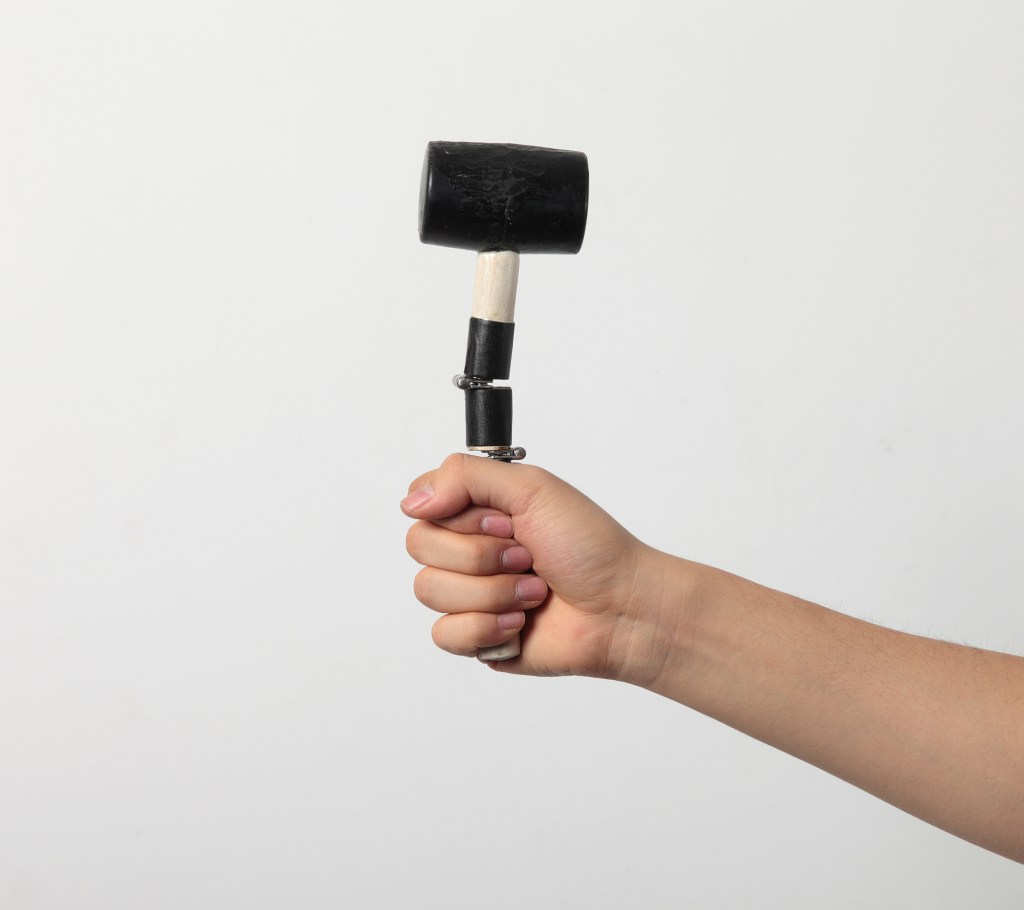

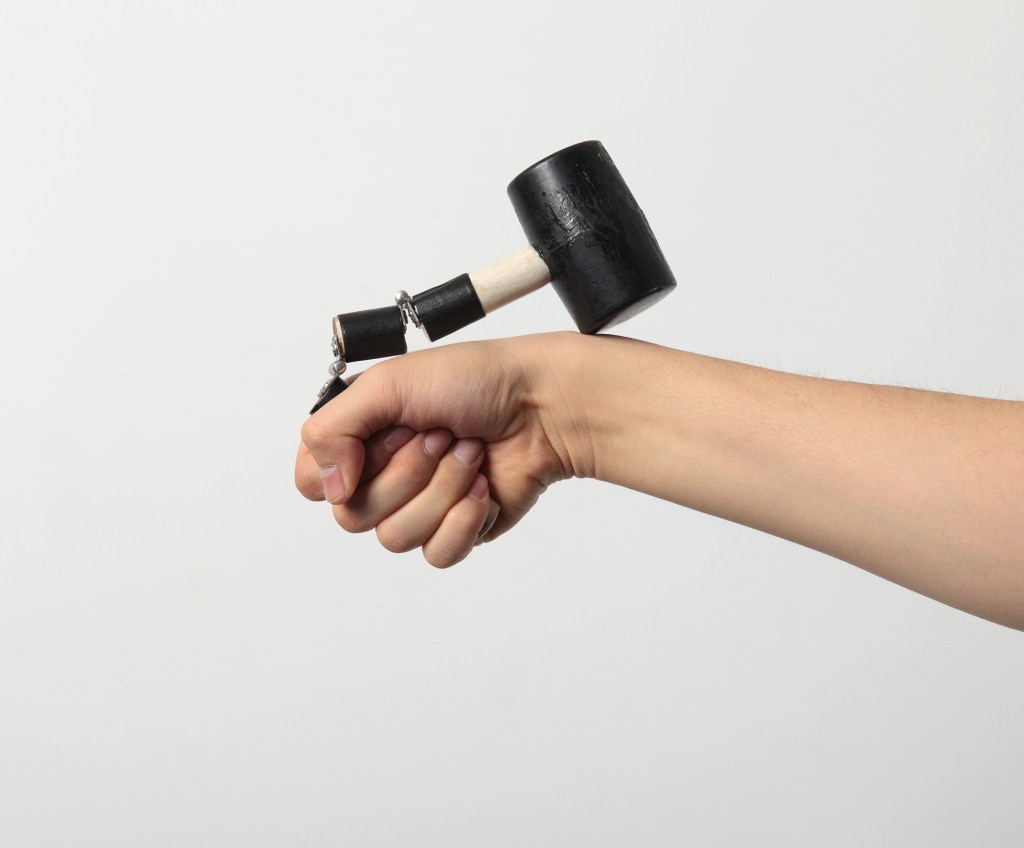
I love to hammer you.
and now I am full of bruises, fractures and hatred towards myself.
Physical emergency territory and red flag in my mentality is something I can’t walk it off.
As per Jean Tinguely’s idea of functionality, Louise Bourgeois’ selflessness instinct, or even observing your narcissistic friends effortless talk to overpower and protect their filthy ego, we hammer others.
My question is this. Hammer others?

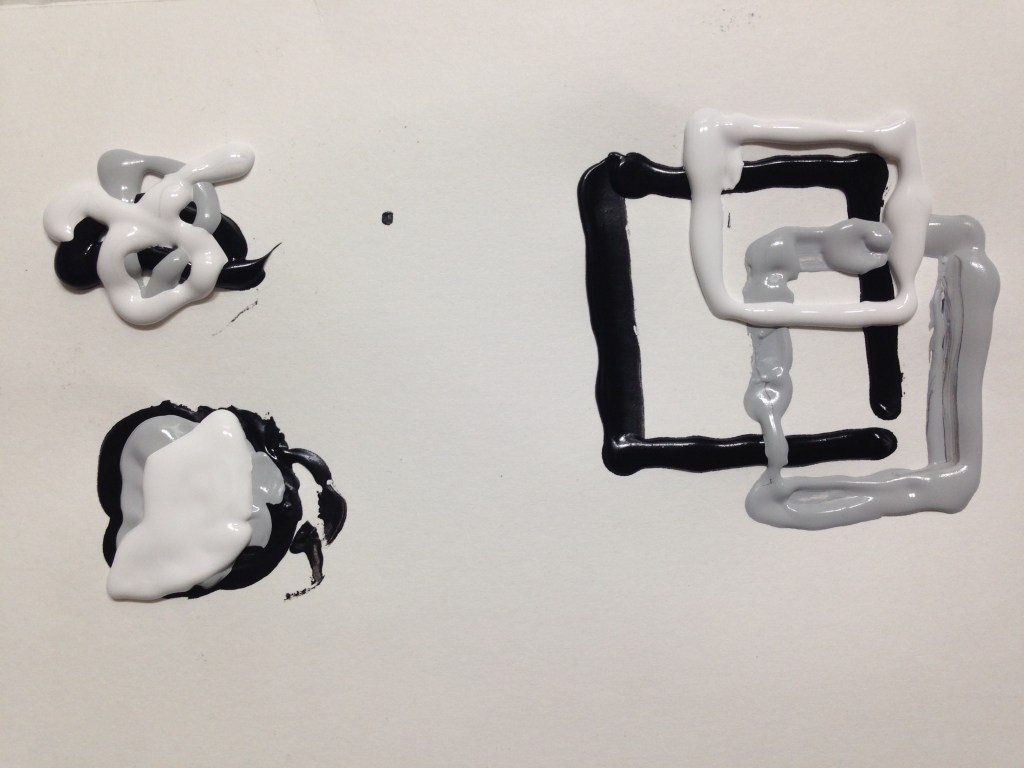
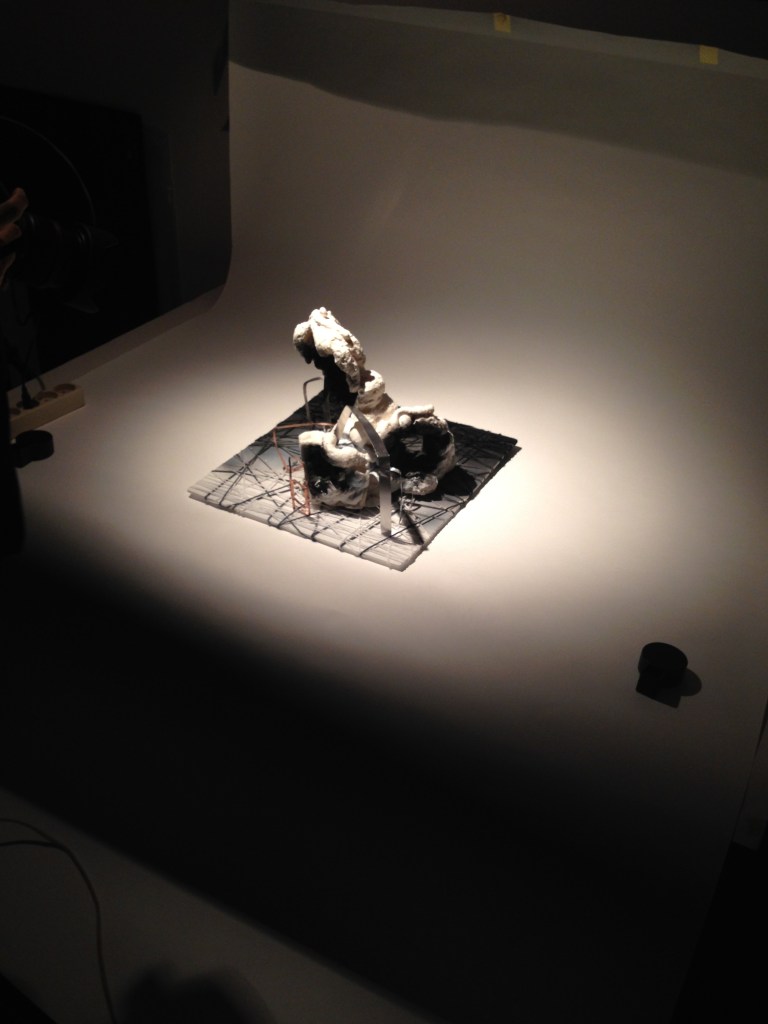
There was a wall. Ages ago, painted in white. Now, overlaid with the traces.
Wall is a 2D divider in this spatial context and our perception follows the logic, accepting the sequel traces confined into one plane, confined within the axial values.
I walked close to the wall leaning my head against the surface and stare the traces.
Each layer, different time zone.
Exaggerated words are easy to understand, simplicity is a porridge digestible without teeth.

Fifth Year Project- Diploma 15
Tutor: Lucy Styles, Lawrence Barth
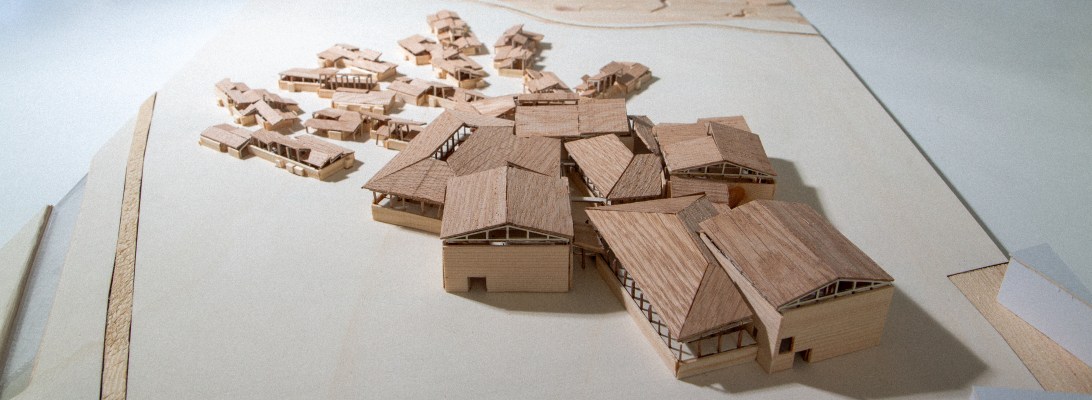
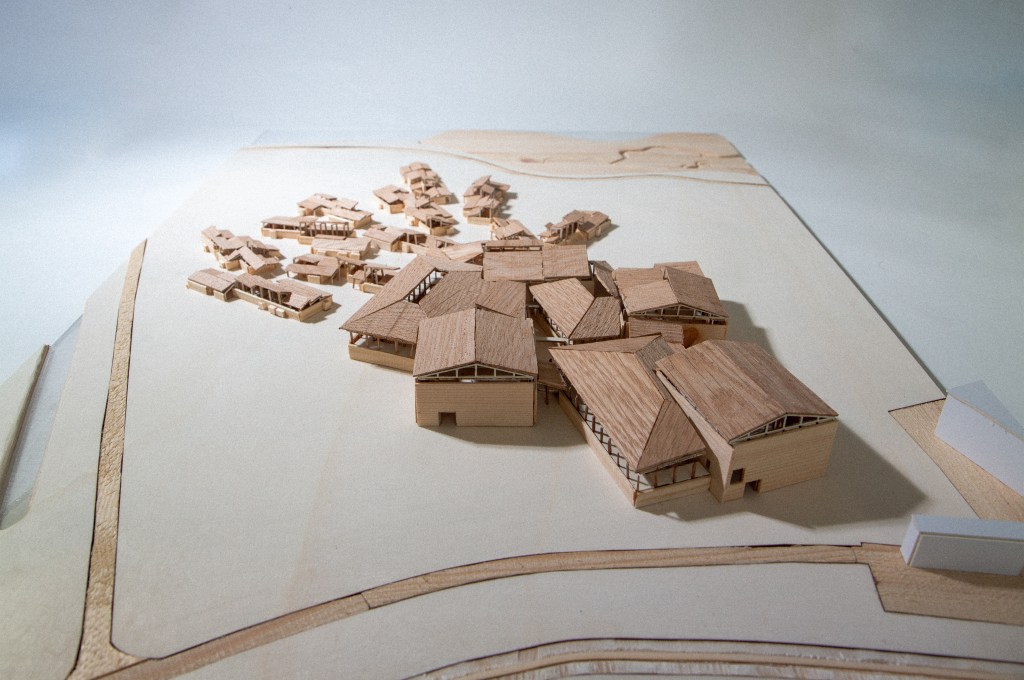
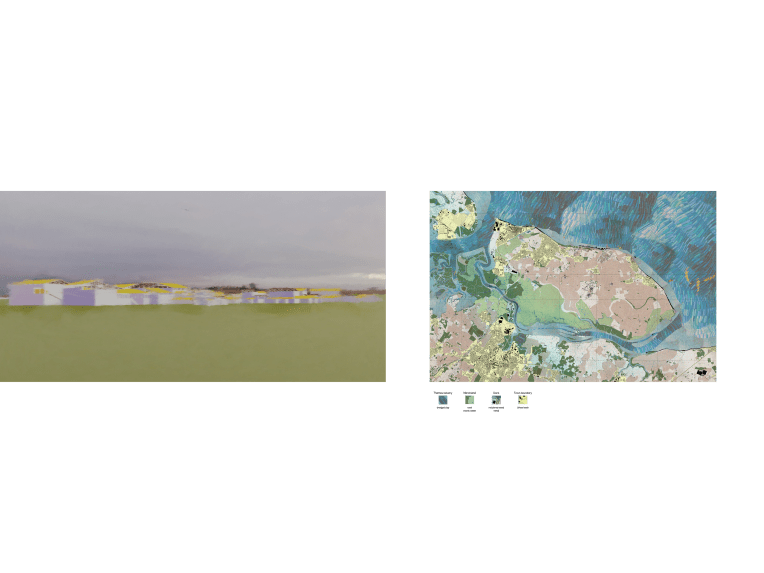
My site in Swale Borough, Kent, is a beacon of innovation. With the decline of local industries, high levels of unemployment and an alienation from the land itself, the area has become littered with waste. The proposal looks at how waste can be re-imagined as a resource, reorganising local waste streams–from industry, wetland and towns-to create sustainable building materials and offer re-skilling opportunities within the construction industry. The design introduces a compressed-waste block factory, education and training facilities and various housing types. This collective form proposes a shared ground by combining programmes within an architecture that embraces ambiguity, collisions, and intersections to address the rift between industry, land, and settlement patterns. It generates a sense of community around an alternative set of local cultural, industrial and geographical values.
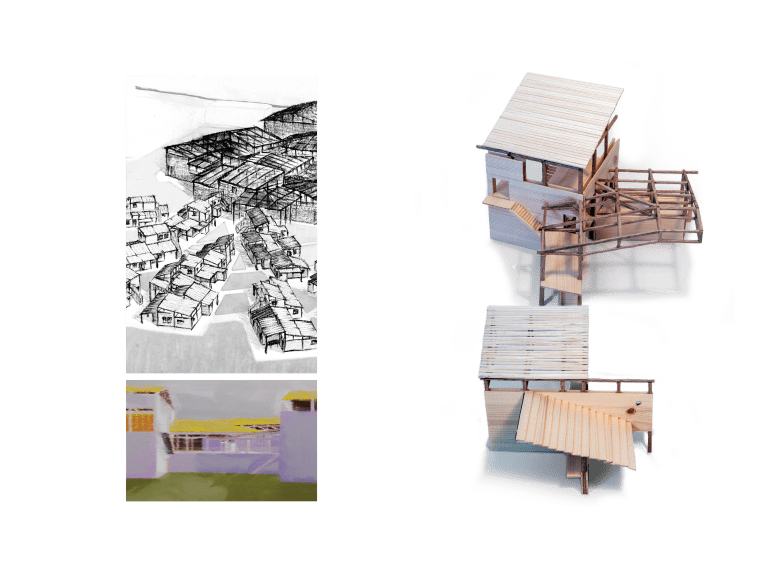
Collision model : Industrial, educational, residential program A simple form starts from triangles, rectangles and circles. However, complexity starts when multiple sets of items are put together and overlap. Like the Venn diagram, the overlapping moment brings the idea of beauty in its rhythm, composition and relationship of individual elements, enabling the engagement of logical control over the clusters and forms.
Residential. Cometting 99 homes Stretching from the industrial and educational blocks, residential buildings spread out, drawing radial collective form.Each flat unit touches the open green spaces on both sides, leading back to the quality of communal activation of industries for people to live with and learn from the mutual aid system. Empowering the post-industrial town is not from proposing a rigid form forcing the people to live in the way of an architect. Blueprints of living form can be drawn and built with the the residents’ hand towards their next generation of industrial living form.


Fourth Year Project- Diploma 17
Tutor: Theo Lalis, Dora Sweijd
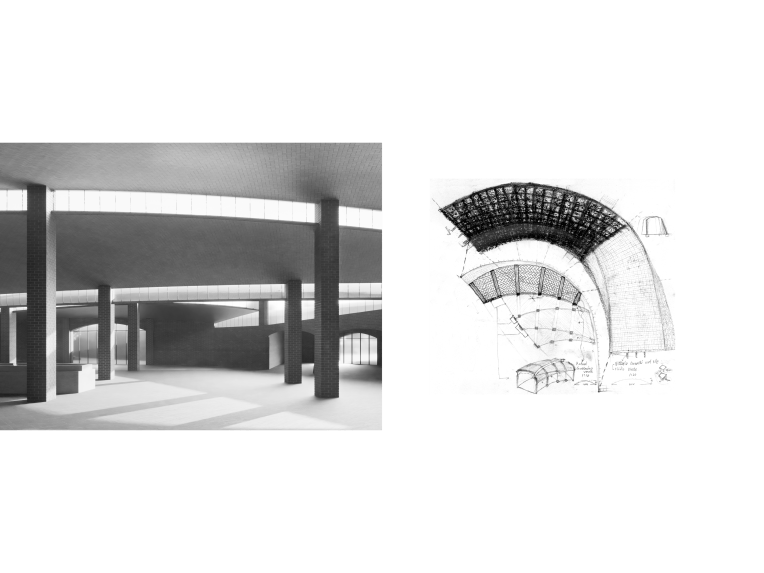
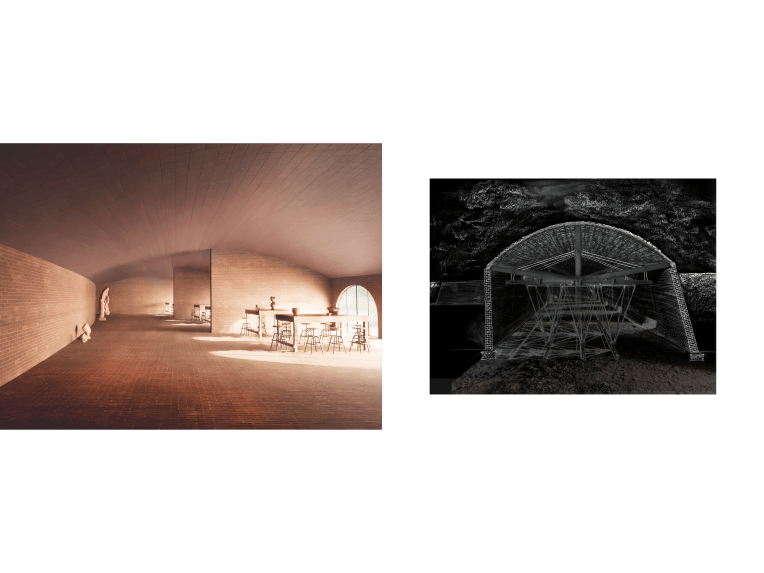
This project envisions Almere, a newly reclaimed city, which is considered a land of living tabula rasa gradually drawing its urbanity of Koolhaas’ masterplan; partitioned Almere in rigid compartments and functions leveraging Almere as a compensating city for Amsterdam. The problem Almere people find is repetitive residential blocks and lack of creative space to dwell, commonly commented on in Dutch urban planning, pervasive usages of controlled mass-produced budget bricks, and tedious repetition of city blocks. In contrast, from the visit of Traditional Dutch brick manufacturers, Vogelensangh B.V., the richness of its manual production from the clay winning to ring-kiln for the variable outcome of brick, Almere can take advantage of their reclaimed clay ground not as a blank page of history but as the land as living history. Rather than a prescripted pragmatic scheme of Almere, I look at the reclaimed land covered with clay as the historical identity of Almere and the Dutch brick bridging history and progression of the city through proposing an active brick facility as a public recreational program to learn, make and apply the masonry tectonic creatively in the form of living knowledge.
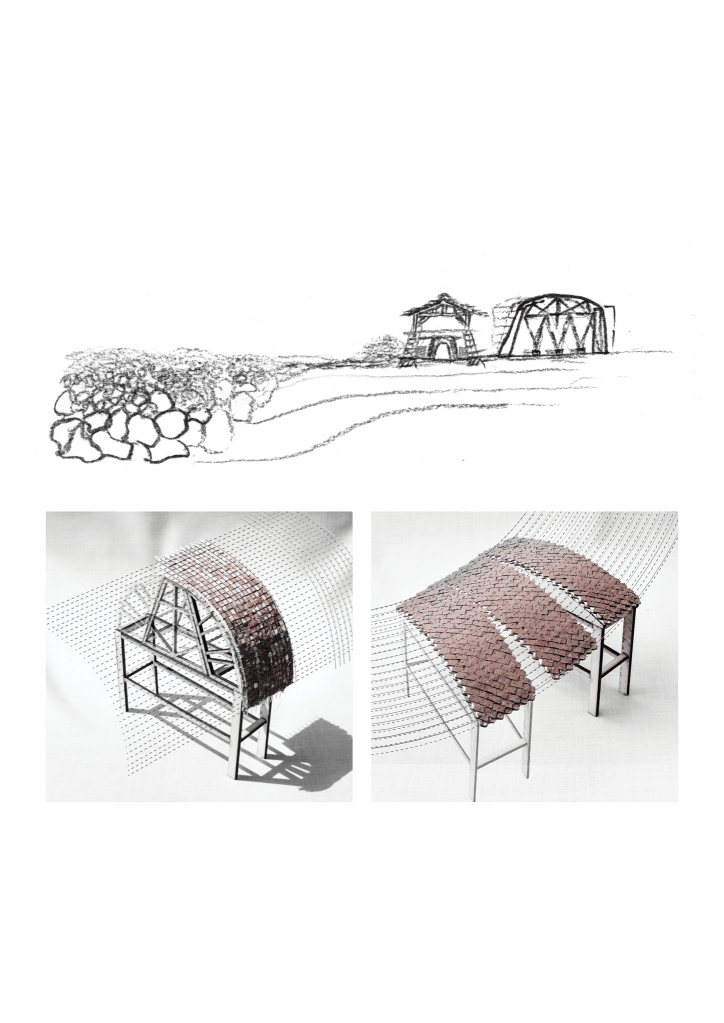
Heterogeneity, Back to Traditional Dutch Brick Factory, Vogelensangh B.V. The oldest Dutch brick factory, Vogelensangh B.V., is famous for its handmade brick production and the firing brick in its ring kiln. Compared to automated kiln factories, the bricks are less randomised. Still, the at-hand experience from the clay sourcing, brick customising, and continuous brick production of the kiln system enhances the quality of unique brick quality from its randomness. Randomness is considered inefficient in building control. However, it can be valued as knowledge of their land as a creative construction tool to link past and better future.
Art of Centering By carefully observing how certain buildings have influenced and reverberated through the tectonics of the masonry and how Dutch land has strived to perpetuate its inherent qualities for the brick production culture, my project examines the character of masonry masters tectonics to set the framework which is simple and applicable in building structures. Unleashing the potential of masonry bits of knowledge to a public program but the form from linear extension to parametricism Larder of Generosity By exploring how past architects engaged with the masonry tectonics, we can take their hand and let them guide us. We delve into their inherent qualities by seeking out generosity in the city, examining buildings that both perpetuate a language and spirit while simultaneously pushing back against banal conformity. Due to the nature of its program as a brick factory, Gustavino, lele, and Garatti’s building could hardly fall back on more conventional acts of generosity, such as public passage or open space, but instead compensates with its elevation, form, materiality and figure.